 |


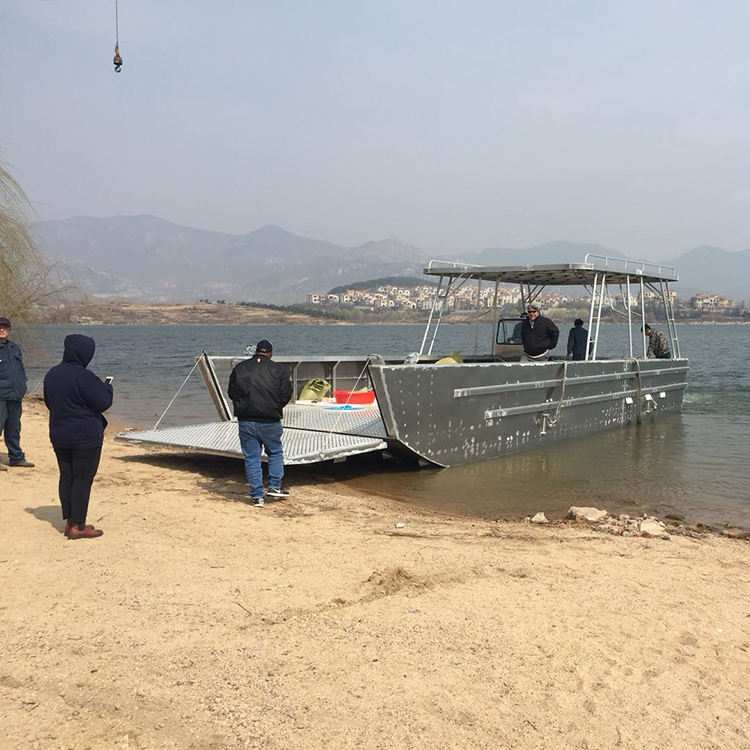
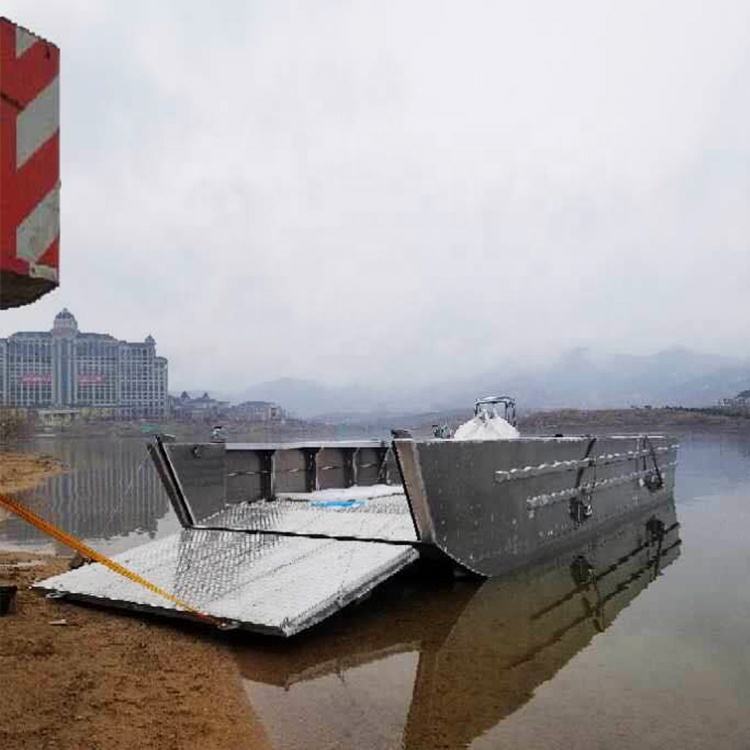


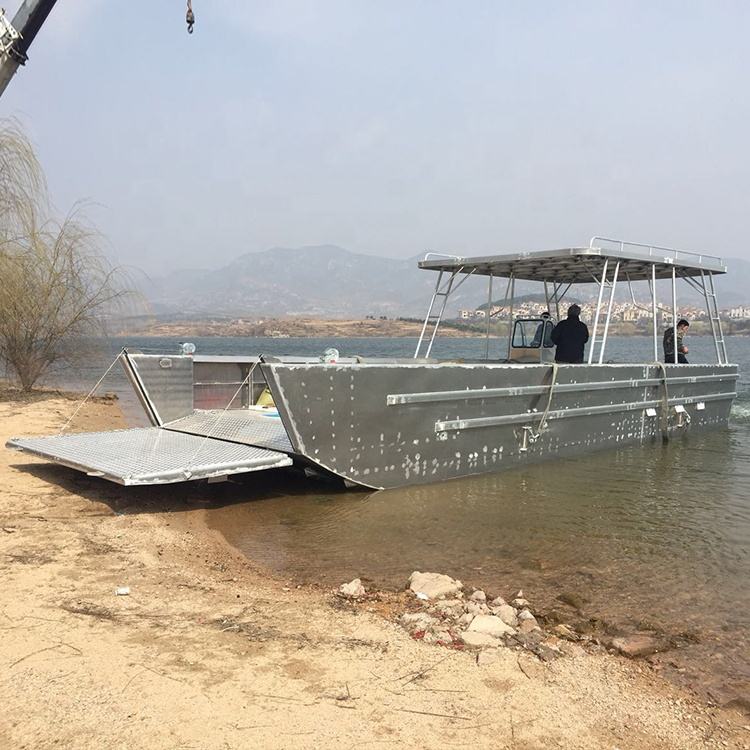
This 11m (36ft) aluminum landing craft work barge is supplied as an unpainted bare hull, providing a practical foundation for buyers who prefer to complete the vessel according to their own project requirements.
The bare-hull format gives boat builders, fleet operators, marine contractors, and distributors greater flexibility when planning the propulsion system, control station, electrical equipment, deck arrangement, surface finish, and other onboard installations. Instead of receiving a fully outfitted vessel with a fixed configuration, the buyer can determine how the hull will be completed based on its intended use, operating environment, local regulations, and available equipment.
The aluminum structure offers a suitable balance between structural strength, manageable hull weight, repairability, and long-term usability. Because the hull is delivered without paint, the buyer can also select the preferred coating system, exterior color, branding, and deck finish during the final outfitting stage.
This 11m aluminum landing craft bare hull can be evaluated as a base platform for different commercial and utility boat projects, subject to the final design, equipment installation, engineering review, and local approval requirements.
Item | Details |
|---|---|
Product Type | Landing Craft Work Barge |
Hull Length | 11m / 36ft |
Hull Material | Aluminum |
Delivery Condition | Bare Hull |
Surface Finish | Without Paint |
Availability | Inquire |
Building upon this inherent material strength, the hull architecture is meticulously engineered to conquer complex aquatic environments. Operators can select between a purpose-built flat bottom, which is exceptionally suited for shallow water navigation and direct beach landing operations, or a modified deep-V configuration that slices through aggressive wave action to ensure a stable ride. This hydrodynamic versatility ensures that whether navigating narrow inland waterways or facing choppy coastal currents, the vessel maintains optimal maneuverability and load security.
The structural durability translates directly into a high-tonnage carrying capacity. The ultra-wide, flat deck area is reinforced with heavy-duty transverse and longitudinal framing, specifically designed to handle the concentrated point loads of heavy machinery, commercial vehicles, and bulk construction materials. The wide bow ramp facilitates rapid roll-on/roll-off cargo transfers, drastically reducing terminal turnaround times and enhancing daily operational efficiency.
This commitment to sustainable, long-lasting marine solutions is backed by rigorous international standards. The 36ft bare hull is constructed in strict adherence to global maritime regulations, fully supporting compliance with CE, CCS, and DNV certification frameworks. For fleet operators, this standardized manufacturing process guarantees that the vessel meets the stringent safety, buoyancy, and structural integrity requirements necessary for legal deployment across diverse international jurisdictions, ensuring peace of mind and operational legitimacy.
The bare hull configuration is a strategic choice for specialized marine applications. Without the constraints of pre-installed, proprietary systems, operators possess the complete freedom to execute bespoke outfitting. The unpainted, raw aluminum surface is primed for custom marine coatings or anti-fouling treatments specific to local water conditions. Furthermore, the structural framework is pre-optimized to accept a variety of powerplants, including dual-outboard or inboard engine setups, customized enclosed pilot cabins, hydraulic deck cranes, and specialized navigation arrays, resulting in a vessel that perfectly aligns with exact operational mandates.
By drastically reducing the overall displacement of the vessel, the 11m aluminum landing craft requires significantly less horsepower to achieve planing speeds compared to traditional steel barges. This inherent lightness translates into measurable reductions in daily fuel consumption and extended operational ranges, allowing crews to execute longer missions or heavier hauling routes while maintaining strict control over operational expenditures.
The adaptable nature of the 11m 36ft Aluminum Landing Craft Work Barge makes it an indispensable asset across a wide spectrum of maritime industries. Its heavy-duty architecture and high payload capacity are perfectly suited for demanding environments where reliability is non-negotiable.
Coastal Logistics & Island Resupply: The shallow draft and front ramp allow for direct beach access, eliminating the need for deep-water ports when delivering essential supplies, vehicles, and construction materials to remote communities.
Marine Infrastructure & Construction: Serves as a stable floating platform for transporting excavators, building materials, and diving support teams to offshore construction sites, bridge repairs, and dredging operations.
Aquaculture & Fisheries Management: The expansive, easy-to-clean deck provides ample room for harvesting equipment, feed transport, and daily maintenance tasks within large-scale fish farms and oyster beds.
Emergency Response & Passenger Transport: When properly outfitted, the hull can be rapidly converted into a disaster relief vessel or a high-capacity passenger ferry, offering swift deployment in critical situations.
Depending on the final outfitting, engineering design, load requirements, and local approvals, this 11m landing craft work barge bare hull may be considered for projects such as:
Coastal utility transport
Island supply operations
Marine construction support
Port and harbor services
Aquaculture support
Equipment transfer
General commercial workboat use
Remote shoreline operations
Contractor or fleet conversion projects
The intended application should be communicated before production so that the manufacturer can review the relevant hull and installation requirements.
The bare hull does not define the final operating configuration of the vessel. Before arranging engines or onboard equipment, the buyer should prepare an integrated outfitting plan.
Important items to review include:
The engine type, power, installation method, controls, fuel system, and weight distribution must be selected according to the final vessel design. No engine specification should be confirmed solely according to hull length.
Engines, fuel tanks, batteries, control stations, deck equipment, cargo, and other systems affect the vessel’s balance and operating condition. Their positions should be planned as part of the complete vessel design.
Electrical equipment, lighting, communication devices, navigation electronics, batteries, switches, and cable routes should be selected according to the intended operating environment and local requirements.
Required lifesaving, firefighting, signaling, and emergency equipment may vary by region and vessel application. The buyer should confirm the applicable regulations before completing the vessel.
Any coating or treatment applied after delivery should be suitable for aluminum. Contact between aluminum and incompatible metals should also be considered during equipment installation.
To prepare an appropriate proposal, buyers should provide as much project information as possible, including:
Intended use of the vessel
Planned operating area
Required working or cargo arrangement
Preferred propulsion system
Equipment to be installed
Required control or cabin arrangement
Local certification or registration requirements
Preferred exterior finish
Destination port
Expected supply scope
Clear project information helps define which items should be completed by the manufacturer and which items will be installed by the buyer after delivery.
An aluminum bare hull should be inspected before and during the outfitting process. This helps prevent later installations from interfering with structural areas, drainage paths, access points, or future maintenance work.
Recommended practices include:
Inspecting the hull before installing equipment
Planning equipment foundations before drilling or cutting
Using fasteners and fittings suitable for aluminum
Isolating incompatible metals where necessary
Keeping drainage areas clear
Removing salt, dirt, and construction residue
Checking exposed surfaces after transportation
Inspecting structural areas at regular intervals
Repairing surface damage using appropriate methods
The completed vessel should follow a maintenance schedule based on its equipment, operating conditions, and frequency of use.
Purchasing a bare hull can provide greater control over how the final vessel is configured. It is particularly suitable for buyers who do not need a standardized, fully equipped boat and instead want to integrate local engines, electronics, safety systems, or work equipment.
The bare-hull approach can also simplify coordination with local suppliers and make it easier to adapt the project to regional operating practices. However, the final vessel must be designed, outfitted, tested, and approved as a complete system rather than treating the hull and installed equipment as unrelated components.
It means that the product is supplied as an aluminum hull without a finished paint system. The exact components included in the delivery should be listed in the final quotation and technical agreement.
No. A bare hull requires additional outfitting before it can become a complete operational vessel. The required work may involve propulsion, controls, electrical systems, navigation equipment, safety equipment, surface finishing, and other installations.
The vessel may be completed by a suitably qualified local shipyard or outfitting contractor. The buyer should ensure that the selected contractor has relevant aluminum boat construction and marine equipment installation experience.
The product page identifies this model as a bare hull. Engines, onboard systems, accessories, and other equipment should not be assumed to be included unless they are clearly listed in the confirmed quotation.
Yes. The buyer may apply a suitable coating system after delivery. Surface preparation, primer, paint, and related materials should be selected for compatibility with aluminum and the intended marine environment.
The buyer should provide the intended application, operating area, required layout, preferred propulsion system, equipment plan, applicable certification requirements, destination port, and required supply scope.
The quotation depends on the confirmed hull requirements, supply scope, project-specific modifications, documentation requirements, transportation method, and destination. A final price can be prepared after the technical details are reviewed.


