Views: 0 Author: Site Editor Publish Time: 2026-09-15 Origin: Site
In maritime procurement, the stakes are undeniably high. Selecting the wrong vessel size permanently handicaps route profitability. It also cripples daily operational efficiency. Operators constantly face a core tension. They must weigh agility and low overhead against economies of scale and high volume. Smaller vessels offer nimble scheduling but cap revenue ceilings. Larger vessels promise massive scale but demand huge initial capital investment. This technical and commercial guide will help you evaluate your options. We explore the critical factors operators must weigh when deciding between a small passenger ferry boat vs large passenger ferry boat. You will learn how to align vessel size with physical route constraints. We will also uncover how passenger demand dictates your most profitable path forward.
Passenger boat capacity is a baseline, but the true decision hinges on route draft limits, off-peak utilization rates, and maritime compliance thresholds.
Small passenger boats offer faster turnaround times and lower minimum crewing requirements, making them ideal for high-frequency, short-distance, or eco-sensitive routes.
Large passenger ferries deliver superior economies of scale and weather resilience but require heavy upfront CapEx and deep-water infrastructure.
Regulatory standards (e.g., USCG Subchapter T vs. Subchapter K, or European equivalents) shift drastically as tonnage and capacity increase, fundamentally altering operational costs (OpEx).
You cannot make an informed fleet decision without establishing clear maritime classifications. Standard industry metrics separate these vessel categories. We primarily look at Length Overall (LOA), Gross Tonnage (GT), and total passenger boat capacity. These numbers dictate more than just physical size. They trigger distinct regulatory frameworks.
A small passenger boat typically falls under the 100 GT mark. These vessels generally carry 150 passengers or fewer. Operators deploy them frequently in coastal areas, river systems, or protected harbors. Their shallower draft and compact footprint maximize maneuverability.
Conversely, a large passenger ferry exceeds 100 GT. These massive vessels carry anywhere from 150 to over 1,000 passengers. They often incorporate Roll-on/Roll-off (Ro-Ro) capabilities for vehicles. You will also find complex, multi-deck amenities built into their architecture. This structural complexity pushes them into higher compliance brackets.
Vessel size directly mirrors commercial intent. Smaller ferries excel at point-to-point rapid transit. They serve commuter routes requiring high departure frequencies. Fast turnaround times keep passengers moving. Larger vessels serve a different master. They focus on high-volume commuter or tourist transport. These ships prioritize moving massive groups, vehicles, and cargo simultaneously across longer, more exposed distances.
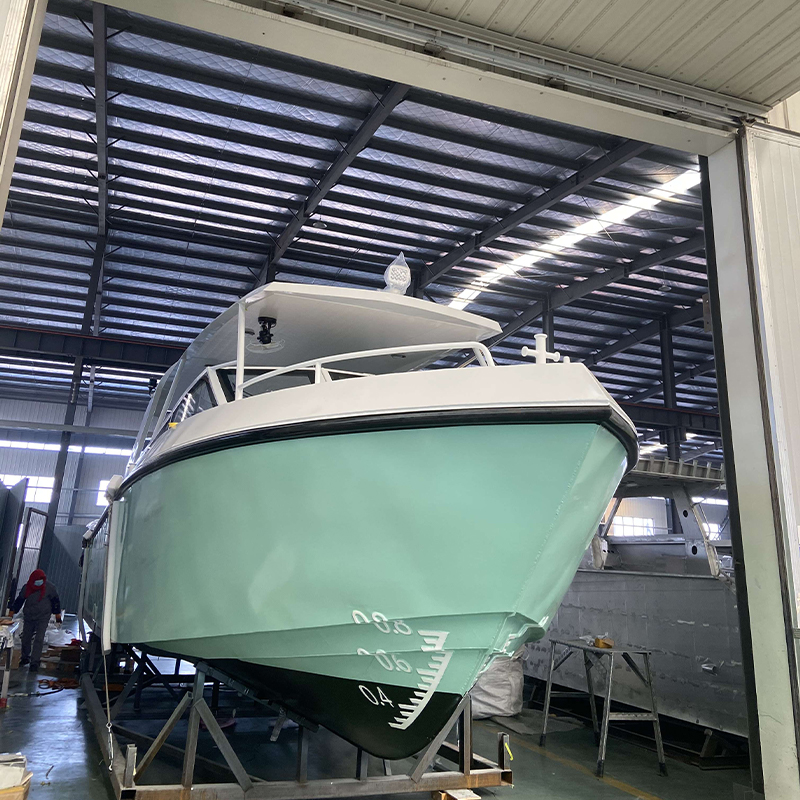
Physical geography dictates your vessel options before you even review a sales brochure. A large ferry faces severe restrictions based on port infrastructure. Deeper hulls require significant dredging depths. You must also evaluate pier structural limits. Massive vessels exert tremendous kinetic energy during docking. Many older or regional piers simply cannot withstand these berthing forces.
Common Mistake: Operators sometimes purchase deep-draft vessels without securing long-term dredging agreements. Silted harbors can ground your expensive asset during low tides.
Ecological sensitivity plays a massive role in modern route planning. Many coastal reserves and restricted archipelagos legally cap vessel sizes. They also strictly monitor wake generation. Massive displacement hulls create destructive wakes. These waves cause severe shoreline erosion. They also disrupt local marine habitats. Such sensitive zones essentially force operators to rely on a smaller, lower-impact vessel. Catamaran designs often solve this issue by minimizing hull drag and wake.
You must balance agility against environmental resilience. Smaller vessels remain highly susceptible to rough sea states. High winds and choppy waters quickly lead to route cancellations. These cancellations frustrate commuters and damage brand reliability. Larger ferries feature higher stability. Their immense weight and advanced stabilization systems easily punch through heavy seas. They experience far fewer weather-related delays, ensuring consistent schedule adherence across open waters.
Fuel economics tell a complex story. Massive ferries obviously consume more fuel overall. They require massive power plants to achieve service speeds. However, they offer a brilliantly low cost-per-passenger if they run near full capacity. The math shifts favorably when you transport 800 people at once. Smaller vessels burn less fuel per trip. Yet, their limited passenger count means the cost per ticketed passenger often remains higher.
Financial risk peaks during low-season or off-peak hours. Operating massive vessels empty drains operational budgets rapidly. Moving a 500-passenger ship for 30 commuters destroys profit margins. This scenario represents the ultimate off-peak profitability trap. Smaller ferries provide incredible agility here. You can scale frequency up during rush hour. You can then scale it down during midday lulls without bleeding fuel and labor costs.
Maritime regulations dictate strict crew-to-passenger ratios. These rules scale aggressively based on vessel size and route classification. A commercial ferry boat carrying under 150 passengers might operate legally with just a Master and one or two deckhands. Cross the 150-passenger threshold, and your labor requirements explode. You suddenly need specialized engineers, extra deck officers, and dedicated passenger safety personnel. These mandatory salaries heavily inflate your daily OpEx.
You must compare the distinct value propositions each class offers. Smaller ferries generally board and disembark passengers much faster. Minimal choke points at the gangway speed up port operations. They may also travel at higher knots, especially if utilizing fast catamaran hull designs.
Larger ships trade rapid transit for superior amenities. They offer incredible stability. Passengers enjoy onboard retail shops, full Food and Beverage (F&B) services, and premium seating lounges. You can generate substantial secondary revenue through these onboard purchases.
Aligning ship size with your customer profile prevents service mismatches. Commuters highly prioritize speed, frequency, and rapid disembarkation. They want to get to work quickly. Smaller, faster vessels suit them perfectly. Tourists possess completely different motivations. They prioritize panoramic views, comfort, and a lack of motion sickness. A massive, stable ferry offering coffee and observation decks perfectly captures the tourist demographic.
Compliance complexity jumps suddenly when you move from small to large vessel classifications. In the United States, crossing from Subchapter T (small passenger vessels) to Subchapter K fundamentally alters your engineering reality. You face mandatory installations of advanced fire suppression systems. You must carry complex life-saving equipment. Regulators also demand stringent structural fire protection zones throughout the ship. These upgrades cost millions.
Best Practice: Always consult a naval architect to map out regulatory trigger points before finalizing a vessel purchase.
Risk profiles dictate your insurance overhead. Hull and machinery insurance scales directly with the vessel's replacement value. Protection and Indemnity (P&I) insurance scales with passenger capacity and route risk. Insuring a ship carrying 800 souls across open water carries a massively different premium than insuring a 50-passenger river taxi. You must factor these recurring premiums into your baseline financial models.
Global environmental standards tighten every year. Upcoming Tier III emission mandates heavily target massive commercial marine engines. Compliance requires bulky Selective Catalytic Reduction (SCR) systems. These systems consume valuable engine room space. Zero-emission mandates in specific regions increasingly push operators toward hybrid or fully electric propulsion. Electrifying a massive Ro-Ro ferry presents a monumental engineering challenge compared to electrifying a lightweight harbor taxi.
Decision Criteria | Small Passenger Ferry | Large Passenger Ferry |
|---|---|---|
Initial CapEx | Relatively low; easier financing. | High; requires major capital backing. |
Draft Requirement | Shallow; versatile docking. | Deep; restricted to major ports. |
Crewing Levels | Minimal; lower daily OpEx. | Extensive; strictly regulated ratios. |
Best Route Profile | High-frequency, short-distance runs. | High-volume, long-distance, or open water. |
Your route requires exceptionally high departure frequency to remain competitive against alternative transit methods.
You face shallow draft conditions or strict infrastructure limits at your destination ports.
Customer demand remains highly seasonal or unpredictable, requiring strict control over daily OpEx to survive the winter.
You operate inside environmentally sensitive zones enforcing strict wake and emission caps.
You operate a guaranteed high-volume route, such as major mainland-to-island commuter lines.
You need to combine passenger transport with lucrative vehicle or cargo revenue (Ro-Ro).
Your route crosses open water requiring high sea-state stability to prevent passenger seasickness.
You intend to capture high secondary revenue streams via onboard retail and dining.
Do not rely solely on initial purchase prices. We strongly recommend commissioning a detailed route feasibility study. You should consult a licensed naval architect to model your specific route demands. They will evaluate wave heights, wind patterns, docking limits, and passenger flow. Only after analyzing this localized data should you initiate the procurement phase.
Choosing between these two vessel categories is rarely about finding an objectively "better" ship. It is entirely about finding the perfect structural match for your specific route economics. A beautiful mega-ferry fails quickly if deployed on a low-volume, shallow-draft route. Conversely, a nimble water taxi collapses under the demand of heavy commuter surges.
You must evaluate your localized infrastructure carefully. Analyze your peak versus off-peak demand data rigorously. Understand your precise regulatory environment. By aligning these variables, operators can finalize a commercial vessel strategy that guarantees long-term profitability and seamless daily operations.
A: Standard capacity usually caps at 149 passengers. Many international and US jurisdictions (like USCG Subchapter T) use the 150-passenger mark as a strict regulatory cut-off. Exceeding this number forces operators into significantly stricter structural, fire-safety, and crewing regulations.
A: ROI depends entirely on capacity utilization. A large ferry running at full capacity offers incredible economies of scale and excellent ROI. However, a full small boat is infinitely more profitable than a massive vessel operating at only 20% capacity during off-peak hours.
A: Regulations escalate sharply. Larger vessels demand advanced structural fire protection, complex fire suppression systems, and comprehensive life-saving craft. They also trigger much stricter crew-to-passenger ratios, mandating more specialized deck officers and engineers onboard.
A: Generally, no. Small displacement and lightweight hulls limit their sea-state resilience. They suffer in rough weather, causing uncomfortable rides and safety risks. Maritime authorities typically restrict them to protected waters, rivers, or strictly defined coastal routes.


