Views: 0 Author: Site Editor Publish Time: 2026-09-22 Origin: Site
For commercial fleet operators, vessel downtime directly equates to lost revenue and severe reputational damage. Passengers expect absolute reliability regarding departure times. A delayed transit quickly erodes public trust. You cannot afford unexpected mechanical failures during peak commuter hours. Daily operations demand a rigorous, preventative approach to maintenance. This standard far exceeds typical leisure craft requirements. High duty cycles and stringent maritime safety compliance mandate meticulous care. Relying solely on reactive fixes inevitably leads to catastrophic breakdowns.
This guide provides an evidence-based framework for structuring strict maintenance protocols. We will explore methods to protect your asset lifespan securely. You will discover practical ways to streamline your daily operational logistics. You will also learn how to evaluate shipyard or service partnerships effectively. Implementing these specific strategies ensures smoother voyages and happier passengers. Your fleet will run more efficiently, protecting your bottom line while maintaining perfect safety records.
Uptime dictates profitability: A structured passenger ferry boat maintenance protocol shifts expenditures from reactive emergency repairs to predictable operational costs.
Material matters: Marine aluminum passenger boat hulls require specific anti-corrosion (galvanic) strategies distinct from traditional composite vessels.
Compliance is non-negotiable: Routine maintenance logging is a strict requirement for maritime safety audits and liability mitigation.
Scalability requires software: Transitioning from paper checklists to digital tracking separates stagnant operations from scalable commercial fleets.
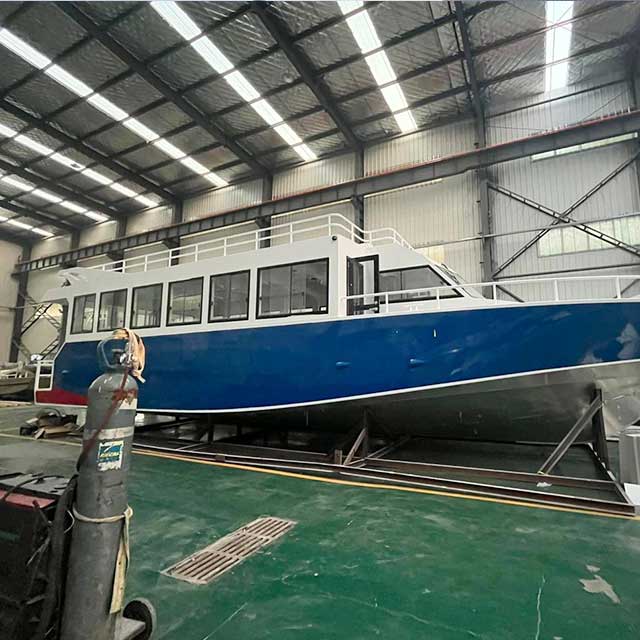
Uptime serves as the absolute lifeblood of marine transit networks. Cancelled routes trigger a cascade of logistical nightmares. You must refund tickets, handle disgruntled commuters, and occasionally pay for alternative ground transport. Contrast this chaos against the predictable cost of routine preventative maintenance. Budgeting for planned filter changes costs pennies compared to emergency on-water towing. An engine failure mid-channel risks passenger panic and summons media scrutiny. Proactive care ensures you control your schedule entirely.
You can define a successful maintenance program by tracking three specific success criteria:
Dispatch Reliability Rate: This metric tracks how often vessels leave the dock exactly on time. High reliability fosters fierce customer loyalty and secures transit contracts.
Mean Time Between Failures (MTBF): You calculate the average hours your equipment runs flawlessly between unscheduled repairs. Extending MTBF proves your preventative schedule actually works.
Audit Readiness: Maritime authorities demand pristine logs continuously. Readiness means your paperwork always stands prepared for surprise safety inspections.
Operating a commercial passenger boat daily introduces unique stress factors. Constant cyclic loading from continuous passenger boarding takes a heavy structural toll. Short-run engine stress occurs when crossing brief waterway segments rapidly. Engines rarely reach optimal operating temperatures before shutting down again. High HVAC demands strain electrical systems as they combat shifting ambient temperatures heavily crowded cabins.
Best Practice: Tie your maintenance budget directly to engine operating hours rather than arbitrary calendar dates.
Common Mistake: Deferring minor vibration diagnostics to save time, which inevitably leads to catastrophic shaft or gearbox failure.
Effective passenger ferry operation relies entirely on robust Standard Operating Procedures (SOPs). Daily checks catch minor faults before they escalate into voyage-cancelling disasters.
Pre-departure daily checklists form your first line of defense. Crews must verify engine fluid levels diligently before turning the keys. Oil, coolant, and transmission fluids tell a vital story about internal engine health. Milky engine oil instantly reveals dangerous water ingress. Crews must also inspect raw water strainers carefully. Clearing debris guarantees your heat exchangers receive adequate cooling flow. Visual inspections of the hull identify fresh docking scrapes before they become structural liabilities. Checking propulsion gear and steering linkages guarantees responsive helm control during tricky docking maneuvers. Safety equipment verification remains paramount. Crews must check PFD deployments, test fire suppression sensors, and ping communication arrays daily.
Weekly and monthly operational deep-dives tackle hidden, complex systems efficiently. HVAC systems require intensive weekly attention during peak seasons. Replacing filters and sanitizing ducts prevents mold buildup in the ductwork. Fresh cabin air guarantees passenger comfort and reduces airborne disease transmission. Bilge pumps need strict manual testing. Sludge easily jams float switches, rendering automatic pumps completely useless. Crews must clear these switches meticulously. Battery banks undergo weekly load testing. Deckhands should clean terminal posts to prevent debilitating voltage drops during cold engine starts.
Best Practice: Laminate daily checklists and require crews to use dry-erase markers for absolute accountability.
Common Mistake: Falsifying checklist marks without physically inspecting bilge water levels, leading to swamped engine rooms.
Proper aluminum passenger boat maintenance differs drastically from maintaining fiberglass vessels. You must prioritize galvanic corrosion management continuously. Dissimilar metals submerged in saltwater create a destructive battery effect. This strips metal directly from your hull unless you intervene promptly. Sacrificial anodes absorb this corrosive damage safely. You bolt zinc or aluminum blocks directly to the hull plating. They dissolve naturally so your vessel does not. Stray electrical currents in crowded marinas accelerate this destruction rapidly. Faulty shore power wiring nearby can eat through a marine aluminum passenger boat hull in mere weeks.
Using improper cleaning agents destroys protective oxide layers instantly. Highly alkaline soaps cause deep pitting on bare aluminum surfaces. You must source neutral pH cleaners specifically formulated for sensitive metal. Bottom painting requires intense scrutiny and specialized knowledge. Applying traditional copper-based antifouling paint to aluminum triggers immediate, catastrophic galvanic reactions. You must specify copper-free formulations. Modern biocides or foul-release silicone technologies protect the metal safely.
High-frequency wave pounding induces metal fatigue over thousands of operating hours. Technicians must routinely check aluminum welds for hairline fatigue cracking. They often use dye penetrant testing on high-stress intersections near engine mounts. Regular visual inspections catch tiny fissures before they compromise watertight integrity.
Maintenance Area | Aluminum Hulls | Composite (Fiberglass) Hulls |
|---|---|---|
Antifouling Paint | Copper-free only (Thiocyanate or Silicone) | Copper-based paints commonly accepted |
Corrosion Focus | Galvanic isolation, stray current mitigation | Osmosis prevention, gelcoat blistering |
Structural Checks | Weld fatigue, stress cracking at joints | Fiberglass delamination, moisture intrusion |
Cleaning Agents | Strictly neutral pH soaps | Tolerates much wider pH ranges |
Ferry engines endure gruelling daily schedules. Duty cycle management becomes critical for "stop-and-go" transit routes. Frequent shifting between idle and heavy load accelerates marine diesel engine wear rapidly. "Stop-and-go" ferry routes force engines through continuous thermal cycling. Engines heat up under heavy load, then cool down rapidly during passenger offloading. This expansion and contraction stresses head gaskets and turbochargers severely. You must manage these duty cycles by strictly enforcing idle cooldown periods before engine shutdown.
Fuel system integrity keeps your fleet moving reliably. Commercial fleets pump thousands of gallons weekly. This immense volume increases the risk of water and biological contamination heavily. Condensation inside large tanks breeds microbial growth and pools water at the bottom. Injectors operating at extreme pressures shatter if they ingest even tiny water droplets. Fuel polishing systems actively filter fuel while the vessel runs. High-capacity water separators trap contaminants long before they reach the high-pressure fuel pump.
Proper propulsion maintenance directly lowers your daily fuel burn costs. Maintaining ideal boat trim reduces hydrodynamic drag significantly. Your vessel slices through the water rather than pushing a heavy bow wave. Clean propellers slip less and bite harder into the current. Even minor barnacle growth or a slightly bent blade forces the engine to overwork. This spikes exhaust temperatures and wastes expensive diesel fuel.
Best Practice: Install secondary centrifugal fuel filters and check the clear bowls daily for water accumulation.
Common Mistake: Shutting down hot engines immediately after docking, which bakes oil onto turbocharger bearings.
Navigating local maritime authority rules dictates every operational move you make. The USCG or MCA enforces strict commercial vessel standards rigorously. International standards (such as ASTM) provide robust frameworks for safety thresholds and material performance. Strict adherence ensures passenger safety and protects your commercial operating license.
Manual logbooks create massive, unacceptable liability risks today. Smudged ink, skipped pages, and lost binders doom operators during safety audits. Upgrading your passenger ferry boat maintenance protocols requires adopting digital solutions immediately. Computerized maintenance management systems (CMMS) revolutionize record-keeping entirely. Deckhands use rugged tablets to timestamp completed tasks instantly. The software automatically alerts management when a bilge pump approaches its scheduled end-of-life replacement.
Documented maintenance schedules protect commercial operators fiercely. If a marine incident occurs, investigators immediately demand proof of proper upkeep. Digital logs demonstrate your rigorous due diligence instantly. This transparency expedites insurance claims processing. It also aggressively mitigates negligence lawsuits by proving you followed all manufacturer guidelines.
Best Practice: Sync your CMMS software with your inventory room to auto-order spare parts before critical components fail.
Common Mistake: Treating safety drills as a paperwork exercise rather than logging actual physical tests of suppression systems.
You cannot fix everything at the dock. Deciding who performs specific tasks shapes your overall fleet reliability. You need a clear, honest resource allocation framework.
In-house deckhands and onboard engineers handle daily checklists effortlessly. They execute minor servicing, fluid top-offs, and visual inspections flawlessly. Assigning them these straightforward tasks maximizes their onboard value and keeps costs low.
However, complex overhauls belong exclusively to certified shipyard professionals. Annual dry-docking demands specialized heavy lifts. Complete engine rebuilds, complex electrical rewiring, and hull sandblasting require advanced diagnostic tooling. You simply cannot replicate yard infrastructure dockside.
When shortlisting marine maintenance yards, evaluate them across three key dimensions:
Commercial Ferry Experience: The yard must possess specific experience repairing commercial passenger ferries. Servicing luxury recreational yachts does not translate to high-stress commercial vessel requirements.
Guaranteed Turnaround Times: Commercial operators survive on strict profit margins. Demand guaranteed timelines for dry-docking. Penalty clauses for late vessel delivery minimize your lost revenue safely.
Industry Certifications: Ensure the yard holds active certifications for structural aluminum welding. They must also employ factory-trained technicians for your specific commercial diesel platform.
Best Practice: Book your dry-dock slots at least six months in advance to secure the best commercial yard rates.
Common Mistake: Choosing a yard based solely on the lowest hourly rate, ignoring hidden layday fees and slow turnaround times.
Effective commercial vessel care acts as a continuous operational strategy, rather than a periodic chore. It demands rigid daily procedures combined with deep material-specific knowledge. Embracing strict compliance tracking shields your business from catastrophic liability. By prioritizing preventative care, you transform unpredictable breakdowns into manageable, scheduled tasks. This approach ultimately secures your reputation on the water.
Take the following actionable steps immediately:
Audit your current manual maintenance logs today for gaps and compliance risks.
Evaluate marine CMMS software to digitize your daily checklists and compliance tracking permanently.
Assess the financial viability of partnering with a specialized commercial shipyard well ahead of your next scheduled dry-dock.
Inspect your hull's sacrificial anodes this week to ensure adequate galvanic protection remains active.
A: Typically every 6 to 12 months, but this depends heavily on local water salinity, marina stray current, and operating hours. Regular visual inspection is mandatory to ensure adequate galvanic protection.
A: It dramatically reduces administrative burden and ensures parts are ordered well before critical failure. Digital tracking also virtually eliminates hefty fines related to missing or incomplete compliance documentation during unexpected maritime audits.
A: While standard deck crew can easily execute daily visual checks and fluid checklists, regulatory bodies often intervene. They frequently require certified marine engineers for comprehensive engine, electrical, and structural maintenance. This requirement scales depending on your specific vessel size and maximum passenger capacity.


