Views: 0 Author: Site Editor Publish Time: 2026-09-29 Origin: Site
Determining passenger capacity for commercial vessels demands careful strategy. You cannot simply count the available deck space and add chairs. Fleet operators, maritime investors, and naval architects must navigate strict maritime weight restrictions. They also need to maintain vessel stability while meeting modern safety compliance standards. Balancing high route demand with these physical limits is a complex challenge. Seating capacity is far more than a spatial issue. Every extra seat changes the payload distribution and pushes gross tonnage limits closer to the edge. You must understand how these factors interact to maximize ticket revenue safely. In this guide, we will explore the core economics of marine seating capacity. You will learn how to evaluate different capacity tiers for your specific routes. We will also cover regulatory hurdles and space planning strategies to help you make informed procurement decisions.
Optimal passenger boat seating capacity hinges on the specific route’s peak demand versus off-peak operational costs.
Regulatory bodies (like the USCG, IMO, and SOLAS) use strict "assumed weight per passenger" metrics that hard-cap the number of seats a hull can safely support.
Scaling from a 20 passenger boat to a 50 passenger boat or 60 passenger boat fundamentally changes the required safety equipment, crew size, and seating material certifications.
Many operators want to maximize ticket sales above all else. They often try to fit as many seats as possible onto a deck plan. However, you must balance this desire against the vessel's maximum safe payload. Naval architects call this the deadweight tonnage limit. A higher passenger boat seating capacity naturally means more potential revenue per trip. But exceeding weight limits compromises stability and violates strict safety laws. You must find the financial sweet spot. This sweet spot exists where revenue peaks before safety costs skyrocket.
High-density seating directly impacts your turnaround time at the dock. When you pack seats tightly, passengers take much longer to board. They also take longer to disembark. Slow boarding processes delay your daily departure schedules. Over a full twelve-hour operational day, these minor delays compound rapidly. They can cost you an entire round trip. Losing a daily trip often erodes the extra revenue gained from adding more seats initially. You must calculate the flow of foot traffic. Fast turnarounds often generate more daily profit than cramped, high-capacity layouts.
Crew-to-passenger ratios also shift dramatically as your capacity grows. Maritime regulators mandate specific staffing levels based strictly on passenger count. Crossing certain thresholds requires hiring additional deckhands. You might also need more safety personnel or licensed engineers. These mandatory crew additions increase your daily operating expenses significantly. You must calculate if the extra ticket sales actually offset the cost of extra crew members. Sometimes, capping a vessel at 149 passengers is more profitable than pushing it to 160 passengers.
Here are common mistakes operators make regarding seating economics:
Ignoring the off-peak season when a half-empty high-capacity vessel wastes fuel.
Failing to calculate the exact cost of mandatory extra crew members.
Prioritizing maximum seat count over comfortable, efficient boarding aisles.
Underestimating the daily fuel burn caused by heavier seating payloads.
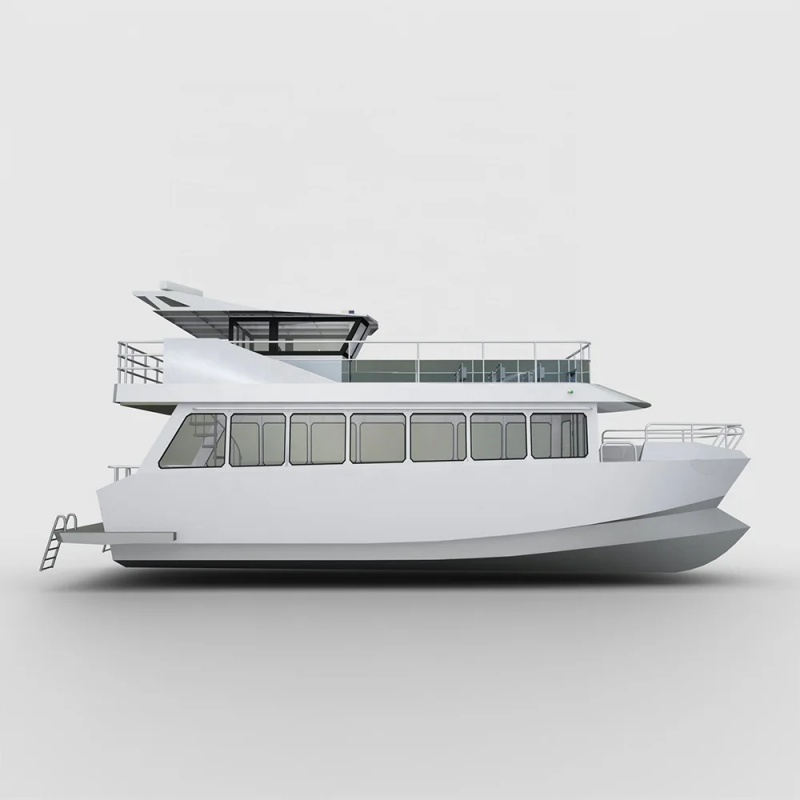
Selecting the right vessel size requires understanding your specific market demands. You must match the hull design to the operational realities of your route. Let us address the typical hull sizes and target markets for each capacity tier.
Short-hop river crossings and luxury resort transfers require highly nimble vessels. A 20 passenger boat excels in these intimate, fast-paced environments. Localized water taxis benefit greatly from smaller footprints. They can dock in tight marinas and navigate shallow channels easily.
In this tier, flexibility and passenger comfort take absolute priority. You can offer a wider seat pitch for premium VIP experiences. Rapid boarding keeps operations moving swiftly from dock to dock. These smaller vessels often fall under less stringent regulatory categories. For example, they might qualify under USCG Subchapter T regulations in the United States. This regulatory framework lowers the financial barrier to entry. It allows new fleet operators to launch services quickly and efficiently.
Dedicated commuter routes and localized island ferries need robust, reliable solutions. Medium-duration scenic tours also rely heavily on this versatile size category. A 50 passenger boat offers an excellent middle ground for growing fleets.
Here, durability and space efficiency are top design priorities. You must often accommodate complex mixed-use environments. Passengers might bring heavy luggage, bicycles, or strollers onboard daily. Operators need flexible seating layouts. These layouts must accommodate bulky items without ever blocking emergency aisles. Hard-wearing, marine-grade materials become essential at this scale. They must handle consistent daily wear from dozens of moving passengers.
High-traffic urban commuter networks demand maximum structural efficiency. Major coastal crossings require large, highly stable platforms for rough waters. A 60 passenger boat serves these high-volume transit needs perfectly.
At this level, your seating priority shifts toward high-density layouts. You must strictly adhere to aisle width regulations for safe, rapid evacuation. Every seat must utilize certified marine materials for both indoor and outdoor zones. At this scale, even minor layout inefficiencies cause major operational headaches. You need clear signage, intuitive walkways, and highly organized boarding protocols. The seating arrangement must actively guide passengers to their spots quickly.
Every commercial vessel must pass rigorous stability and buoyancy tests. Authorities calculate safe capacity using an assumed weight per passenger. In recent years, global organizations have increased this standard weight metric. People are generally heavier now. They also carry more electronics and heavy baggage aboard.
This regulatory change reduces historical seat counts on existing hulls. You cannot simply rely on older vessel blueprints for modern retrofits. Modern stability calculations require updated weight distribution models. If you pack too many people on one side, the vessel will list dangerously. Naval architects use advanced software to simulate these weight shifts dynamically.
Vessels operating in international or rough coastal waters face even stricter rules. Seats must meet specific International Maritime Organization (IMO) standards. They must also comply with SOLAS (Safety of Life at Sea) mandates. These rules include severe dynamic load testing. This ensures seats survive heavy impacts from rough waves. Materials must pass the Fire Test Procedures (FTP) Code perfectly. They must resist catching fire and actively limit toxic smoke production.
Evacuation constraints directly dictate your maximum allowable seat count. Aisle widths and egress routes must scale exactly with capacity. Life raft sizes and emergency exit dimensions tie directly to passenger numbers. You cannot add ten seats without also adding ten life jacket stations. Every safety element must scale in a strict one-to-one ratio. Regulators will halt your operations if they find discrepancies here.
Designing an effective deck plan requires careful, deliberate spatial management. You must balance ergonomic comfort, physical safety, and legal regulatory compliance. A well-planned passenger ferry boat feels spacious even when fully booked.
Indoor zones focus primarily on comfort for longer, climate-controlled routes. You need upholstered, fire-rated, ergonomic seating for these areas. These seats should support the lower back during extended voyages. Outdoor zones face harsh marine elements constantly. Sun, wind, and salt spray destroy weak materials rapidly. You should focus on UV-resistant, non-absorbent, modular bench seating outside. Outdoor seats must shed rain rapidly and resist heavy salt corrosion.
Standardized dimensions dictate exactly how many people fit in a cabin. The seat pitch measures the distance between a seat back and the one ahead. Let us look at common marine seating spacing guidelines.
Marine Seating Pitch and Width Comparison
Seating Class | Average Seat Width | Recommended Seat Pitch | Best Use Case |
|---|---|---|---|
High-Density Economy | 17 to 18 inches | 28 to 30 inches | Short urban commuter routes |
Standard Commuter | 18 to 19 inches | 31 to 33 inches | Mid-duration island ferries |
Premium / Tourist | 20 to 22 inches | 34 to 36 inches | Luxury charters and long crossings |
These dimensions heavily impact the total seat count across your deck plan. A tighter pitch increases capacity but severely reduces passenger comfort. You must know your target demographic before locking in these dimensions.
You must always plan for legal accessibility requirements. Many regions enforce ADA standards or strict local equivalents for public transit. You need dedicated wheelchair tie-downs and clearly marked accessible seating areas. These specialized zones require larger turning radiuses. They also need wider adjacent aisles for safe navigation. Proper planning integrates these spaces seamlessly without severely compromising your total capacity.
Buying the wrong furniture introduces severe operational and legal risks. You cannot retrofit residential or standard commercial seating for marine use. We call this the "cheap seat" liability. Standard chairs corrode rapidly in moist, salty air. They create massive fire hazards and completely lack proper crash testing. Marine environments vibrate constantly. They endure heavy impacts from turbulent water. Only certified marine seats survive these brutal physical conditions.
Heavy seats also create severe, hidden weight penalties. Over-engineered, heavy furniture eats directly into your vessel's overall payload capacity. Every extra pound of furniture means one less pound of paying passenger. You must emphasize lightweight aluminum framing during procurement. Aluminum provides excellent structural strength while keeping the total weight low. This material resists rust naturally, reducing long-term replacement needs.
Vendor vetting is a highly critical step in the procurement process. You should shortlist manufacturers based strictly on verifiable maritime certifications. Always review warranty terms carefully before signing binding contracts. Ensure the vendor offers reliable replacement part availability over the next decade. Broken seats cannot generate ticket revenue. Regulators will force you to rope off damaged sections. You need quick access to spare cushions, armrests, and mounting hardware.
Follow these best practices when vetting seat manufacturers:
Request current IMO and SOLAS test certificates for all cushion fabrics.
Verify the structural crash-test ratings for your exact seat model.
Confirm realistic lead times for common spare parts and hardware.
Check the warranty details regarding saltwater corrosion and UV fading.
Ask for reference projects involving similar commercial passenger vessels.
Finalizing your ideal seat count requires deep strategic alignment. You must balance ambitious business revenue goals with strict naval architecture limits. Maritime law strictly governs how much payload your hull can safely carry. High capacities demand more crew members, larger life rafts, and wider aisles. You must evaluate these operational trade-offs carefully to ensure long-term profitability.
Take action before you order any deck equipment. We advise consulting a certified naval architect first. They will determine your maximum hull payload accurately. They can calculate exact weight distribution limits for your specific routes. Once you have these hard numbers, you can issue a precise Request for Proposal (RFP). Send this RFP only to certified marine seating manufacturers. This careful approach ensures your fleet remains safe, compliant, and highly profitable.
A: Only if a naval architect conducts a new stability test. The regulatory body must approve the modification. They base their decisions on current weight standards and safety egress requirements. You cannot simply bolt down extra chairs without official recertification. Doing so voids your insurance and violates maritime law.
A: Depending on the jurisdiction, crossing specific passenger thresholds triggers stricter rules. Moving from 49 to 50 or more passengers often changes your legal category. This mandates larger life-saving appliances, advanced fire suppression systems, and increased crew sizes. Operating costs jump significantly when you cross these regulatory lines.
A: Indoor materials must typically pass strict IMO fire test procedures. Fabrics must be highly flame retardant and feature low smoke toxicity. The seat frames should utilize marine-grade aluminum or composite materials. These materials actively resist saltwater corrosion while keeping the vessel's overall weight safely down.


